Why Bonehead Script Is Your Next Go-To Typeface
Every designer eventually hits a wall. You have the layout, the imagery, and the color palette, but the typography feels sterile. You need that one element that brings a human touch without looking messy. Enter Bonehead Script. It is not just another script font; it is a stylistic statement. When you drop this typeface into a project, it immediately elevates the aesthetic from generic to bespoke. It carries a sense of fluidity and elegance that few display fonts can match, making it a critical asset in your design toolkit.
The Visual Character of Bonehead Script
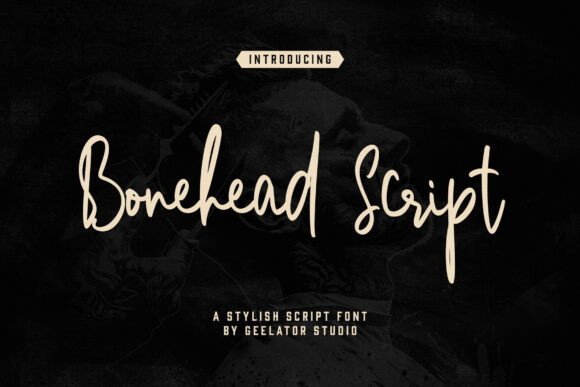
At first glance, Bonehead Script commands attention with its flowing, connected letterforms. It sits comfortably in the category of modern typography, bridging the gap between traditional calligraphy and contemporary graphic design. The curves are smooth, and the baseline has a rhythmic bounce that suggests movement. However, unlike many handwritten fonts that can look childish or unprofessional, Bonehead Script maintains a high level of sophistication. The letter connections are intuitive, creating a natural flow that guides the eye across the page.
One of the defining features of this premium font is its versatility. While it is a bold choice, it does not scream for attention in a way that overpowers the content. Instead, it supports the message with a classy, confident vibe. The strokes vary in thickness, mimicking the pressure of a real pen, which adds depth and texture to the text. Whether you are working on a dark background or a light, airy layout, this creative font adapts beautifully, ensuring your design assets look polished.
Real-World Applications for Designers and Creators
Understanding where to use a specific typeface is just as important as the font itself. Bonehead Script excels in scenarios where personality and emotion are paramount. It is an ideal choice for branding projects that need to feel approachable yet luxurious.
Branding and Logo Design
For entrepreneurs and small business owners, a logo is the face of the company. Using a script font like Bonehead Script in logo design can instantly convey warmth and authenticity. It works exceptionally well for lifestyle brands, boutique agencies, fashion labels, and artisanal products. When used as a primary wordmark, it creates a strong visual identity. However, ensure that the font is legible at various sizes, especially on business cards and social media avatars.
Editorial and Publishing
In the world of editorial design, hierarchy is everything. Bonehead Script serves as a powerful tool for drop caps, pull quotes, and article titles. It provides a necessary contrast to body text set in a serif font or a sans serif font. If you are designing a magazine cover or a blog header, this font draws the reader in immediately. It breaks up the monotony of standard text blocks and adds a layer of visual interest that keeps readers engaged.
Digital and Social Media
The digital landscape is crowded. To stand out on platforms like Instagram or Pinterest, your graphics need to pop. Bonehead Script is perfect for social media graphics, particularly for quotes, announcements, and sale banners. Its elegant style ensures that even simple text posts look like high-quality design work. Furthermore, for web design, it can be used sparingly in hero sections to create a dramatic opening statement that loads quickly and looks crisp on high-resolution screens.
Stationery and Packaging
Physical products benefit immensely from thoughtful typography. Think about wedding invitations, greeting cards, or packaging design. Bonehead Script brings a tactile quality to print media. It mimics the look of custom hand-lettering, which adds perceived value to the product. A coffee bag, a candle label, or a wedding suite featuring this font feels personal and curated. It tells the customer that care went into the presentation.
Strategic Typography: Influence and Perception
Typography is rarely just about decoration; it is about communication. The font you choose influences how your audience perceives your brand identity. A stiff, corporate sans serif might suggest efficiency, but it can feel cold. Conversely, Bonehead Script suggests creativity, elegance, and a human touch. By incorporating this typeface, you are signaling that your brand values style and attention to detail.
Visual hierarchy is another critical aspect. Designers often struggle to make specific elements stand out. Because Bonehead Script is a display font, it naturally sits at the top of the hierarchy. Use it for headlines or key phrases that you want the viewer to read first. Pair it with a clean, simple body font—such as a geometric sans serif or a classic serif font—to ensure readability. This contrast creates a balanced layout where the script font adds flair without sacrificing the clarity of the main message.
Practical Guide to Using Bonehead Script
Adopting a new font requires a bit of strategy to ensure it integrates seamlessly into your workflow. Here is how to get the most out of Bonehead Script.
Choosing the Right Context
Before you apply the font, evaluate the project's tone. Is it serious and corporate? If so, use Bonehead Script very sparingly, perhaps only for a monogram. Is it creative, lifestyle-focused, or celebratory? If yes, you can be more liberal with its usage. Always ask yourself if the font matches the voice of the content. A mismatch between the text and the typography can confuse the audience.
Mastering Font Pairing
A script font rarely works well in isolation, especially for body copy. The success of Bonehead Script often depends on its partner. A classic pairing strategy is to combine a high-contrast script with a neutral typeface. For example, use Bonehead Script for the headline and a tall, condensed sans serif for the sub-headers and body text. This prevents visual clutter and ensures the design feels cohesive. Test different weights and sizes to find the sweet spot where the script font shines without overwhelming the layout.
Readability Considerations
While Bonehead Script is legible for a script font, it is not designed for long paragraphs. Script fonts generally have lower readability scores than standard text fonts when used at small sizes or in large blocks. Reserve this font for short, impactful text. If you are designing a logo, squint your eyes or view the design from a distance to ensure the letters don’t merge into an unreadable shape. Good design is always accessible.
Licensing and Technical Details
As a commercial font, it is essential to review the licensing terms of Bonehead Script before use. Ensure you have the correct license for your specific application, whether it is for a single client project, a mass-market product, or digital distribution. Check the file formats provided (such as OTF or TTF) and verify that the font includes the characters and glyphs you need, such as numbers, punctuation, and special symbols. Many premium fonts include alternate characters and ligatures that can add unique flair to your designs, so explore the full character map.
Conclusion
In a world saturated with generic visuals, Bonehead Script offers a way to stand out. It is more than just a collection of letters; it is a design asset that brings personality and professionalism to any project. Whether you are crafting a brand identity, designing a wedding invite, or creating a social media campaign, this typeface delivers style and substance. By understanding its strengths and applying it with strategic intent, you can transform your work from ordinary to memorable.