Lucy Carter Script: A Light and Elegant Handwritten Font
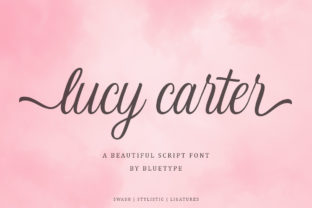
Finding a typeface that feels both personal and professional can be a real challenge. You want something with character, a font that conveys warmth and authenticity without sacrificing clarity or looking like a rough draft. This is the space where Lucy Carter Script excels. It’s a light and elegant handwritten font with an undeniably lovely charm, designed to bring a touch of genuine artistry to a wide range of creative projects. Its flowing letterforms and balanced weight make it a versatile tool for anyone looking to add a human touch to their work.
Understanding the Visual Appeal of This Creative Font
At first glance, Lucy Carter Script presents a style that is both relaxed and refined. It’s not a casual, scribbled script, nor is it an overly formal calligraphy. Instead, it occupies a beautiful middle ground. The letter connections are smooth and intuitive, mimicking the natural flow of a skilled hand. You’ll notice subtle variations in stroke width that give it an organic, authentic feel, which is a hallmark of a well-crafted script font. This authenticity is crucial for designs aiming to build a genuine connection with an audience.
The personality of this handwritten font is approachable and friendly, yet it carries an inherent sophistication. It avoids the pitfalls of many display fonts that can be difficult to read in longer passages. The x-height is generous, and the spacing between letters is carefully considered, ensuring that words remain legible even at smaller sizes. This makes it more than just a display font; it’s a creative font that can be used for short-form text, headlines, and impactful callouts where readability is paramount. Its elegance comes from this simplicity and grace, not from excessive ornamentation.
Where Lucy Carter Script Truly Shines
The versatility of Lucy Carter Script is one of its greatest strengths. It’s a premium font asset that can elevate projects across numerous mediums. For designers and brand strategists, it’s a powerful tool for crafting a memorable brand identity. Imagine it on a logo for a boutique bakery, a wellness coach, or a handmade jewelry line. The font immediately communicates care, quality, and a personal touch, helping to shape brand perception from the very first interaction.
In packaging design, its charm is undeniable. Used for product names or special messages on labels for artisan goods, cosmetics, or gourmet foods, it adds a layer of perceived value and craftsmanship. For editorial design, think of elegant chapter headings in a lifestyle magazine or a poignant pull quote in a blog post. It draws the reader’s eye and adds a moment of visual interest that breaks up blocks of text set in a standard serif font or sans serif font.
Digital applications are equally strong. For web design, it can be used sparingly for hero section headlines or special announcements to create an emotional anchor. In social media graphics, it’s perfect for creating shareable quotes, event announcements, or personalized thank-you messages that feel authentic and engaging. Entrepreneurs and small business owners can use it for thank-you cards, gift tags, and promotional materials, ensuring a consistent and professional look across all customer touchpoints. This consistency is key to building recognition and trust.
Practical Guidance for Using This Typeface
Choosing the right font is a critical design decision. When evaluating if Lucy Carter Script is the right fit, consider the project’s overall tone. It pairs beautifully with clean, neutral typefaces. A classic combination is using it for headlines with a simple sans serif font like Montserrat or Lato for body text. This creates a clear visual hierarchy where the script adds personality without overwhelming the design. Avoid pairing it with other highly decorative fonts, as this can create visual clutter and harm readability.
Always test the font in context. View it at the sizes you intend to use, both on screen and in print if applicable. Check how it looks with your chosen color palette. A light, elegant script like this often works best with ample white space around it, allowing its form to breathe. Review the font files you receive; a good commercial font like this will often include stylistic alternates, ligatures, and swashes. These extra glyphs allow for customization, letting you tweak letter connections or add flourishes for a truly unique look in logo design or special projects.
Finally, understand the licensing. For personal projects, the terms are usually straightforward. If you’re using it for a client or for commercial products—such as on merchandise, in a paid app, or for a business’s marketing materials—you need to ensure you have the correct commercial font license. This is a standard practice in the industry and protects both you and your client. By following these practical steps, you can confidently integrate this design asset into your toolkit and let its lovely charm enhance your next project.