Amelisa Script: A Fresh Handmade Calligraphy Font for Spring
Understanding the Visual Character of Amelisa
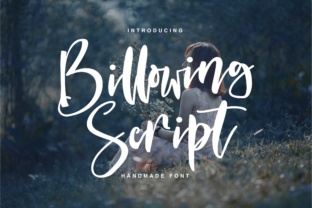
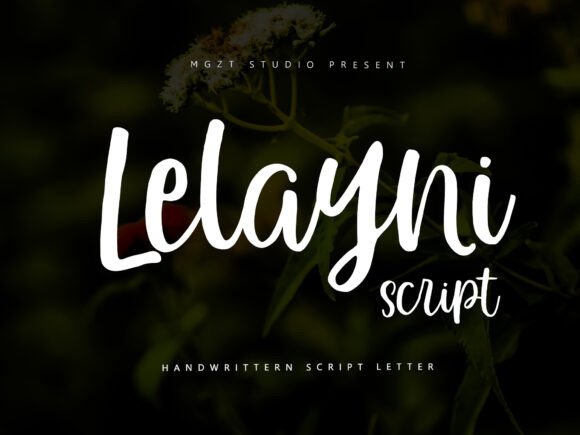
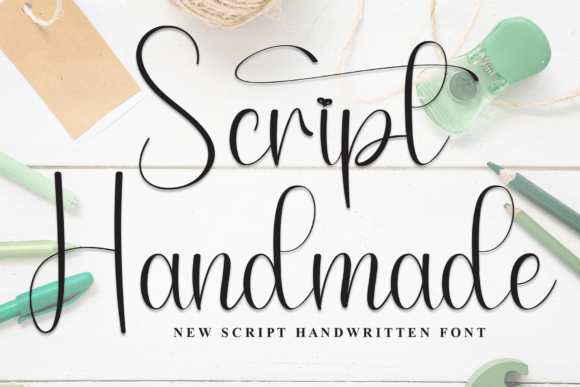
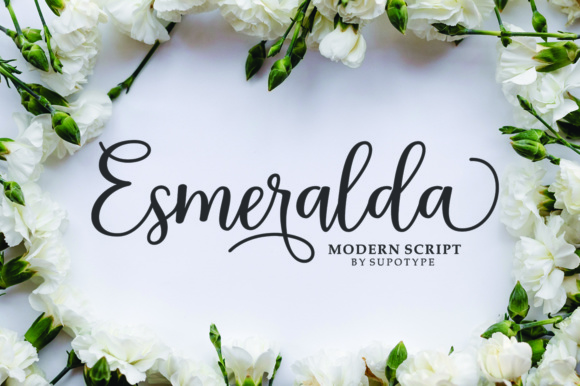
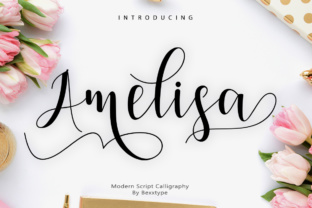
When you first encounter Amelisa Script, the immediate impression is one of organic fluidity. It isn’t just another generic script font; it carries the distinct texture of a handmade calligraphy font, capturing the slight imperfections that make handwriting so personal. The defining features of this typeface are its flowing swashes and the gentle bounce of its baseline. Unlike rigid, mechanical typefaces, Amelisa moves across the page with a natural rhythm. It feels fresh, airy, and perfectly aligned with the aesthetics of modern creative design. If you are looking for a typeface that breaks away from the stiffness of corporate sans serif fonts, Amelisa offers a welcome reprieve. It balances elegance with approachability, making it a versatile tool for anyone working in modern typography.
The visual weight of the font is another aspect worth noting. It is light enough to feel delicate—ideal for spring-themed projects—but bold enough to maintain presence when used as a headline. The ligatures connect letters in a way that mimics natural pen strokes, avoiding the awkward collisions often seen in lower-quality script fonts. This attention to detail elevates it from a simple novelty item to a professional-grade premium font. Whether you are a seasoned designer or a hobbyist, the visual personality of Amelisa helps bridge the gap between digital precision and human warmth.
Where Amelisa Script Shines: From Branding to Print Collateral
One of the most common questions in logo design is how to choose a typeface that stands out without sacrificing legibility. Amelisa Script is a strong contender for brands that want to project a friendly, artisanal, or boutique image. For a coffee shop, a florist, or a handmade jewelry brand, this font instantly communicates care and craftsmanship. When applied to brand identity materials—business cards, letterheads, and thank-you notes—it creates a cohesive experience that feels curated rather than mass-produced.
Beyond the logo, consider the impact on packaging design. In a crowded marketplace, shelf appeal is everything. The charm of this handmade calligraphy font can make a product feel more premium and personal. It works phenomenally on labels for bath products, artisanal foods, or stationery. Because it looks so natural, it doesn't feel like a digital overlay; it feels like part of the product itself. This is a crucial distinction in editorial design as well. If you are designing a magazine cover or a cookbook layout, Amelisa can be used for pull quotes or chapter titles to inject personality into the spread without overwhelming the reader.
Digital spaces are equally welcoming to Amelisa. In web design, it serves as an excellent display font for hero sections or landing pages where you need to capture attention immediately. It translates beautifully to social media graphics, particularly for quotes, announcements, and promotional banners. For bloggers and content creators, having a reliable creative font like this in your toolkit means you can quickly produce assets that look professional and consistent. It helps in establishing a recognizable aesthetic across platforms like Instagram and Pinterest, where visual consistency drives engagement.
Practical Guidance for Implementation and Pairing
While Amelisa Script is a powerful tool, using a display font effectively requires some strategy. The most critical factor is context. Because it is a stylistic font with distinct swashes, it is not designed for long paragraphs of body copy. If you try to set a 500-word article in Amelisa, you will run into readability issues. Instead, reserve it for headers, sub-headers, and call-to-action buttons. For the body text, pair it with a clean, legible serif font or a neutral sans serif font. A classic combination might be using Amelisa for the title and a geometric sans serif like Montserrat or a humanist serif like Lora for the paragraph text. This contrast creates a clear visual hierarchy, guiding the reader's eye naturally from the headline to the content.
When evaluating the fit for your project, consider the "voice" of your brand. If your brand voice is authoritative and strictly corporate, Amelisa might feel too casual. However, if your brand aims to be welcoming, creative, organic, or luxurious, this font aligns perfectly. Before finalizing your design, always test the font at different sizes. A premium font like Amelisa often includes alternate characters and ligatures that you can toggle to customize the look further. Check how the letters connect in specific word combinations relevant to your brand name to ensure there are no awkward overlaps.
Finally, understanding licensing is a non-negotiable step for professionals. Since Amelisa is a commercial font, ensure you purchase the correct license for your intended use. If you are a small business owner using it for a logo, a standard desktop license usually suffices. However, if you are a web developer embedding it into a client’s site, or a publisher using it for a book cover, you may need to look into webfont or extended licenses. Treating your design assets with legal care protects your business and supports the type designers who create these beautiful tools.
The Impact on Audience Engagement and Perception
Typography is silent communication. The fonts you choose tell your audience how to feel about your content before they even read a word. By integrating Amelisa Script into your designs, you are signaling that your brand values personality and aesthetics. In a digital landscape dominated by sterile, system-default fonts, a handwritten font with the character of Amelisa can stop the scroll. It draws the eye because it feels human.
For entrepreneurs and marketers, this emotional connection translates directly to engagement. A social media post featuring a relatable quote in a charming script is more likely to be shared than one set in Arial. It creates a sense of intimacy. When used in editorial design or blog headers, it sets a mood that prepares the reader for the content. If you are writing about lifestyle, travel, or wellness, the font acts as a visual cue that the content will be personal and inspiring.
Consistency is also key to building recognition. Once you adopt Amelisa as part of your primary brand identity, use it consistently across all touchpoints. This repetition builds a mental shortcut for your audience; they see the font, and they immediately associate it with your brand. This is the power of a well-chosen typeface. It becomes an asset that appreciates over time as your audience grows to recognize and trust it.
In conclusion, Amelisa Script is more than just a collection of glyphs; it is a design solution for adding warmth and professionalism to a wide array of projects. From packaging design to web design, and from logo design to social media graphics, it offers the flexibility and charm needed to connect with audiences on a human level. By following best practices for font pairing and readability, you can leverage this creative font to elevate your work and create memorable visual experiences. Whether you are refreshing a brand or launching a new product, Amelisa provides the fresh, spring-like aesthetic that can make your designs stand out.